Swedish Regulations Guide Self-Exclusion Integration Across Live Casinos and Payment Processes
Gisela Walter · Nov 7, 2026
Swedish Regulations Guide Self-Exclusion Integration Across Live Casinos and Payment Processes
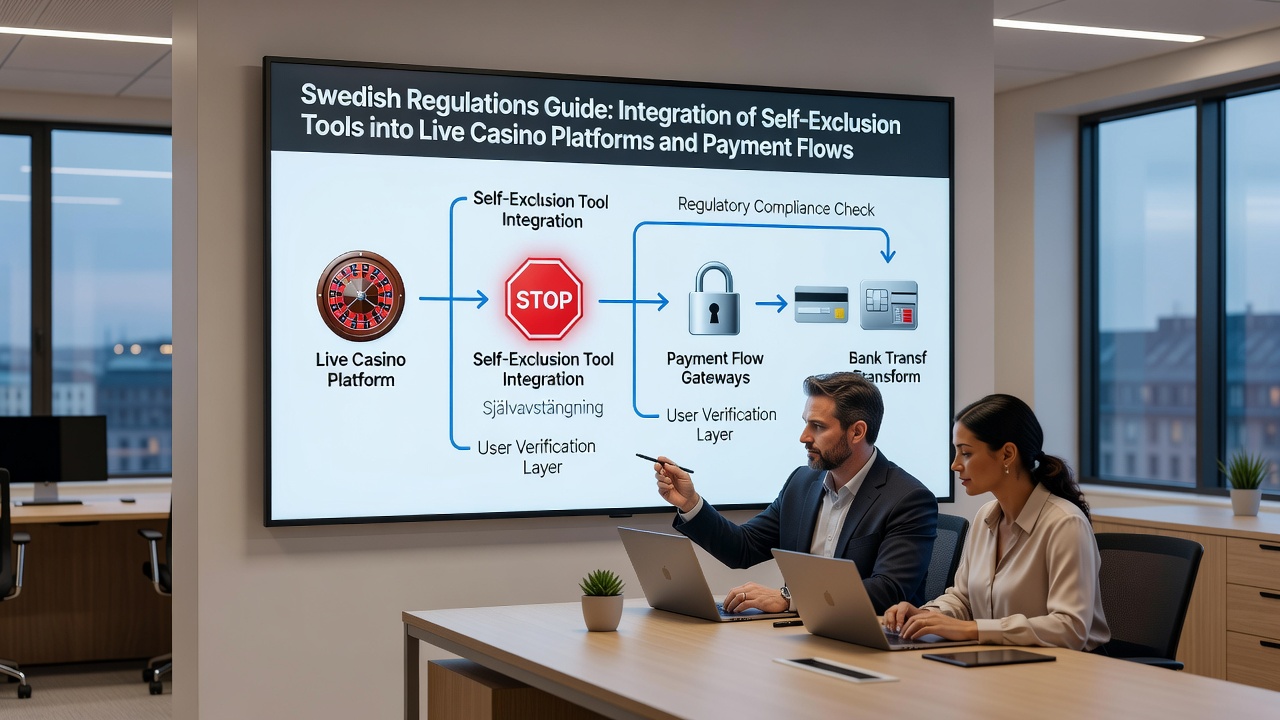
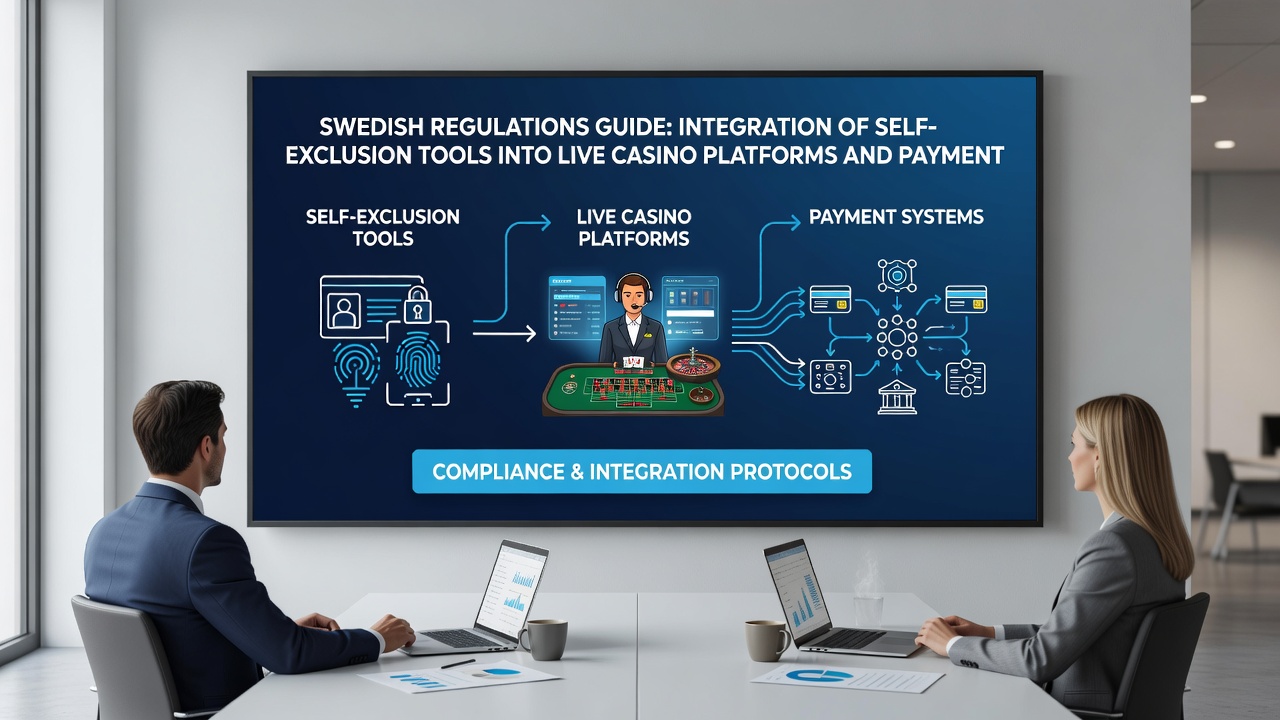
Swedish authorities maintain strict oversight through Spelinspektionen, the national gambling regulator that enforces integration of self-exclusion mechanisms into all licensed live casino operations and associated financial transactions. These rules require operators to connect their platforms directly to the Spelpaus national register, which blocks registered individuals from accessing games or completing deposits and withdrawals.
Core Requirements for Platform Integration
Operators must embed real-time checks against the Spelpaus database at multiple points during a live casino session, including entry to tables, dealer interactions, and any in-game purchases. Data shows that systems must verify player status every time a user attempts to join a streamed game or transfer funds, preventing circumvention through multiple accounts or delayed verifications.
Live casino software providers update their APIs to pull exclusion status instantly from the central registry, and this process runs continuously while sessions remain active. Experts observe that failure to maintain these connections results in immediate license reviews, since Spelinspektionen conducts regular audits of transaction logs and access records.
Payment Flow Controls and Transaction Blocking
Payment processors tied to Swedish licenses route all deposits and withdrawals through filters that cross-reference Spelpaus status before funds move. When a player appears on the exclusion list, the system halts both incoming and outgoing transfers, and operators receive automated alerts that document the blocked action for compliance reporting.
November 2026 marks the deadline for several updated technical standards that tighten timing requirements around these checks, requiring sub-second response times from the registry during high-volume periods. Figures from industry reports indicate that licensed platforms already process thousands of such verifications daily, with payment gateways maintaining separate logs that regulators can access on demand.
Technical Standards and Audit Procedures
Regulations specify encryption protocols and data-handling procedures that protect player information while allowing seamless queries between casino systems, payment providers, and the national register. Observers note that third-party testing laboratories validate these integrations before any new game or payment method receives approval for the Swedish market.
Those who manage licensed platforms must retain detailed records of every verification attempt for at least five years, covering both successful accesses and blocked attempts. Spelinspektionen reviews these records during scheduled inspections, and discrepancies trigger further investigation into potential system gaps.
International Comparisons and Broader Context
Similar self-exclusion frameworks exist in other jurisdictions, yet Sweden's approach stands out for its mandatory real-time linkage across both gaming and financial layers. According to Spelinspektionen guidelines, operators face penalties ranging from fines to license suspension when integration falls short of required standards. Research from European academic sources, including studies referenced by the European Gaming Association, highlights how centralized registers reduce duplicate registrations and improve enforcement consistency across borders.
Payment providers operating in Sweden coordinate with banks to apply the same exclusion filters at the account level, creating multiple layers of protection. This setup ensures that even if one system experiences a delay, secondary checks catch attempts to bypass restrictions.
Conclusion
Swedish regulations continue to evolve the technical connection between self-exclusion tools, live casino environments, and payment infrastructure, with November 2026 deadlines reinforcing stricter timing and logging standards. Licensed operators maintain ongoing compliance through direct registry links, automated transaction blocks, and comprehensive audit trails that regulators monitor closely. These measures form a structured system where data flows between platforms and the national register remain secure and verifiable at every stage.