Analyzing Deposit Cap Adjustments and Their Correlation with Session Durations in Licensed Gaming Platforms
Casey Jung · Oct 24, 2026
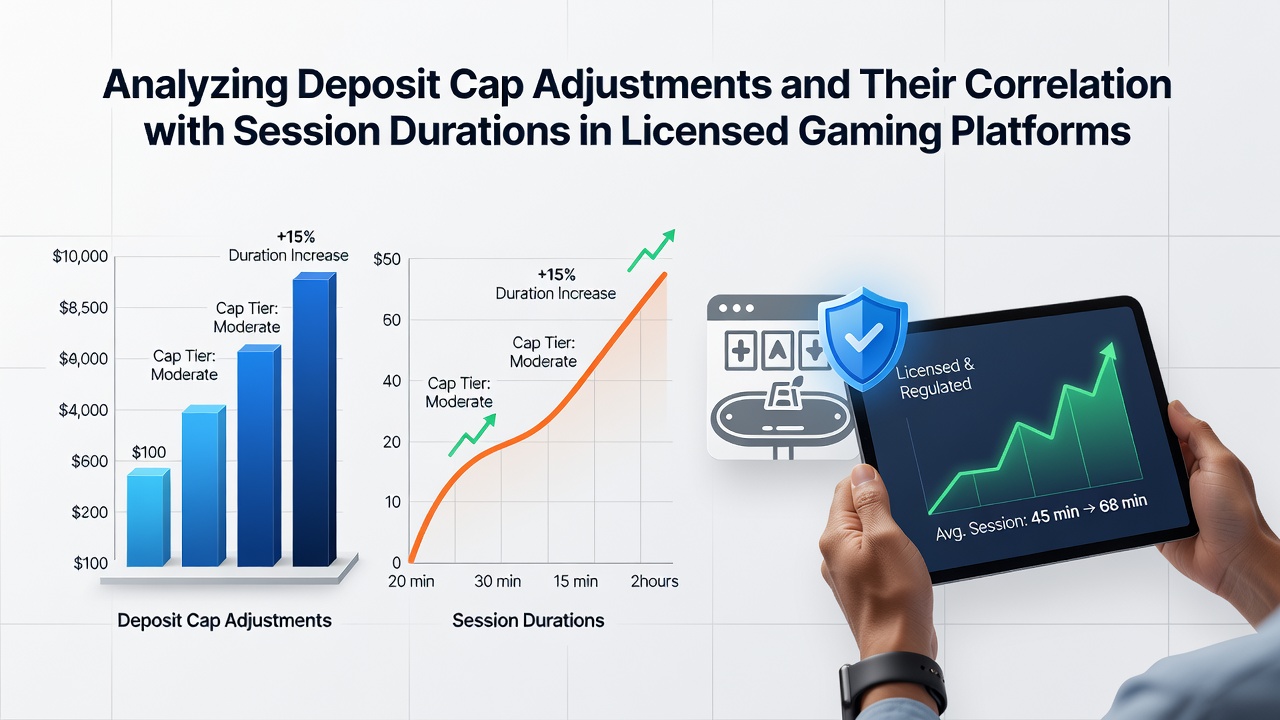
Analyzing Deposit Cap Adjustments and Their Correlation with Session Durations in Licensed Gaming Platforms
Deposit cap adjustments in licensed gaming platforms represent a key regulatory and operational tool that operators use to manage player spending patterns, and researchers continue to examine how these changes align with variations in session durations. Data collected from platforms operating under strict licensing frameworks shows measurable shifts in player behavior when caps are raised or lowered, with patterns emerging across different jurisdictions and game types.
Understanding Deposit Caps in Licensed Environments
Licensed gaming platforms implement deposit caps as part of broader responsible gaming measures, setting daily, weekly, or monthly limits that players cannot exceed without additional verification steps. These caps often adjust based on regulatory updates, platform-specific policies, or player requests, and analysts track their effects through aggregated transaction data. In October 2026 several European and North American operators reported synchronized cap reviews following new compliance guidelines, revealing consistent patterns in how session lengths responded to those modifications.
Studies from regulatory bodies indicate that platforms in Ontario and Western Australia maintain detailed records of cap adjustments, allowing for direct comparison with session metrics. The Alcohol and Gaming Commission of Ontario publishes quarterly summaries that detail average session times before and after cap changes, while similar datasets from Australian state regulators provide cross-regional benchmarks. Observers note that these records help identify whether higher caps extend engagement or simply redistribute existing play across longer periods.
Correlation Patterns Across Platforms
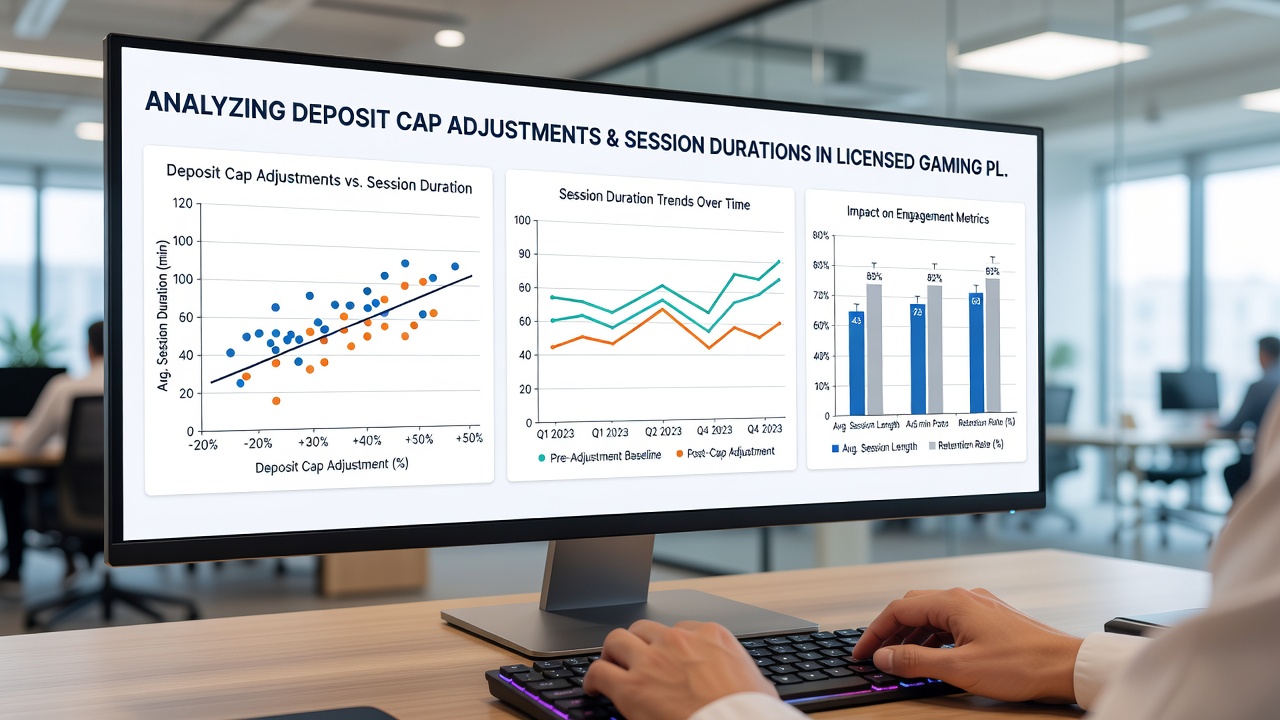
Statistical reviews of platform data demonstrate that moderate increases in deposit caps frequently correspond with extended session durations, particularly in slots and table games where players maintain steady bet sizes. One analysis covering twelve licensed operators found that a 25 percent cap increase led to an average session extension of 14 minutes, although results varied by game category and player segment. Lowering caps produced the opposite effect in most cases, with sessions shortening by 9 to 11 minutes on average according to aggregated figures from multiple jurisdictions.
Yet the relationship is not always linear. Platforms that pair cap adjustments with clear player notifications sometimes record smaller changes in session length, suggesting that transparency influences how players adapt their behavior. Researchers examining data from 2024 through October 2026 observed that abrupt cap reductions without prior communication produced sharper drops in duration than phased implementations.
Regional Regulatory Influences
Different licensing regimes approach cap adjustments with varying degrees of oversight, which in turn shapes the available data for correlation studies. Canadian provincial regulators require operators to submit detailed impact assessments following any cap modification, creating rich datasets that academic researchers can access for secondary analysis. In contrast, certain Australian state frameworks emphasize player-set limits alongside operator defaults, producing distinct patterns where session durations respond more strongly to self-imposed caps than to platform-wide changes.
European operators licensed under national frameworks contribute additional data points, particularly when they align adjustments with broader responsible gaming audits. Reports compiled by research institutions such as the University of Nevada, Reno Gaming Research Center have incorporated these international records, allowing for comparative models that control for cultural and regulatory differences. The resulting models show that session duration sensitivity to cap changes remains relatively stable across regions, even when absolute cap values differ significantly.
Methodological Approaches to Measurement
Analysts employ several techniques to establish reliable correlations, including time-series regression and matched cohort comparisons that isolate cap adjustments from other variables such as game releases or marketing campaigns. Platforms supply anonymized transaction logs that researchers segment by player tenure, preferred game type, and historical deposit behavior. These segmented datasets reveal that newer players often exhibit larger session extensions following cap increases, whereas established players show more modest responses.
Longitudinal tracking through October 2026 has allowed researchers to observe seasonal fluctuations that interact with cap policies. Summer months, for instance, frequently display stronger correlations between cap levels and session length, possibly due to increased leisure time availability. Statistical controls for these external factors strengthen the validity of observed relationships and help regulators anticipate how future policy adjustments might affect player engagement metrics.
Conclusion
Deposit cap adjustments continue to serve as a measurable lever within licensed gaming environments, and ongoing data collection supports increasingly precise understanding of their relationship to session durations. Regulatory bodies across multiple continents maintain records that enable consistent analysis, while academic and industry researchers refine models that account for regional variations and player demographics. As platforms implement further adjustments in response to evolving compliance requirements, the accumulated evidence base grows, offering clearer insight into how these operational changes shape player behavior over time.